When Every Minute Counts, Call the Experts
North Texas’ HAZWOPER-Certified Spill Response Team
Available 24/7 – Call Now: 940-208-5100 – Get Emergency Help
North Texas Spill Response Dallas Texas
North Texas Spill Response’s team of highly trained spill experts has all the equipment necessary in the event of a hazardous or non-hazardous emergency. We provide immediate remediation services for petroleum-based spills in North Texas. We are a woman-owned company and work in harmony with all regulatory services while ensuring that we keep our customers’ best interests at heart.
A hazardous material is defined as any item or agent that is biological, chemical, radiological, and/or physical which has the potential to cause harm to humans, animals, or the environment. When being transported on roadways, if a spill or leak were to occur, there is considerable risk that the public safety and the environment could be at risk.
We Provide:
North Texas Spill Response has been certified by OSHA’s Hazardous Waste Operations and Emergency Standards (HAZWOPER) program. This certification means our technicians have the training and experience to safely provide site remediation, spill cleanup, in-situ treatment, onsite soil testing and more.
Oil Spill Cleanup
Emergency Roadside
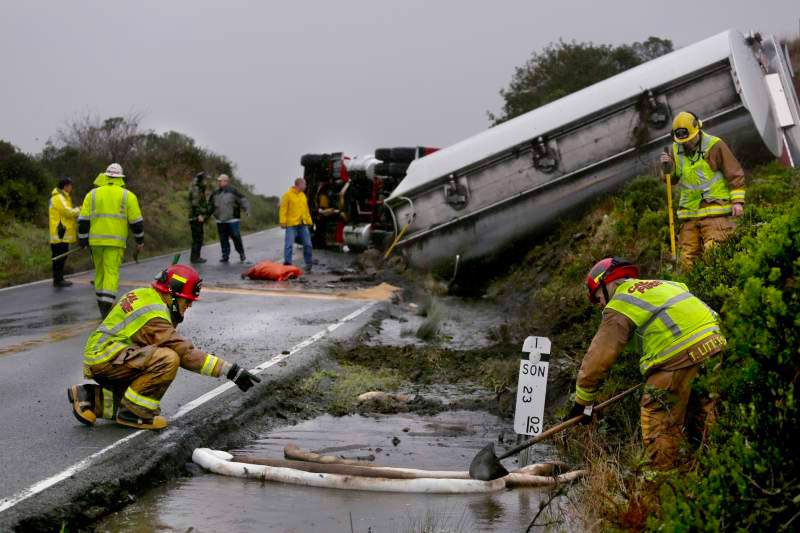
We use ELMN8 to quickly resolve the problem. A virtually non-hazardous, non-toxic solution to treat hydrocarbon contamination through an immediate chemical oxidation process.
Emergency Spill Response
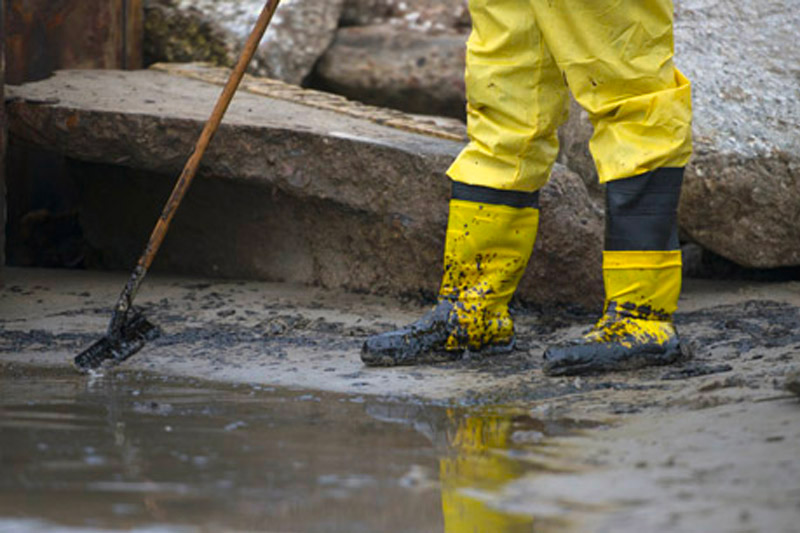
Emergency oil spills require extensive cleanup and remediation. Our OSHA Certified team at North Texas Spill Response provides 24-hour spill response services to all areas in the North Texas vicinity.
Oil Spill Emergency
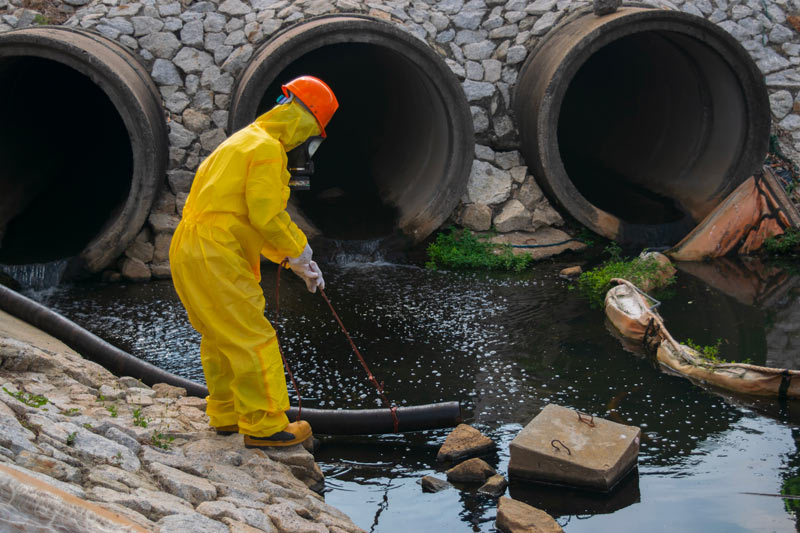
When oil spills occur, ensuring the safety of all parties is our first priority. Specific steps are taken to stop and contain the spill, then clean and remove any contaminated material from the spill site. Contact us for oil spill cleanup.
Fuel Spill Cleanup
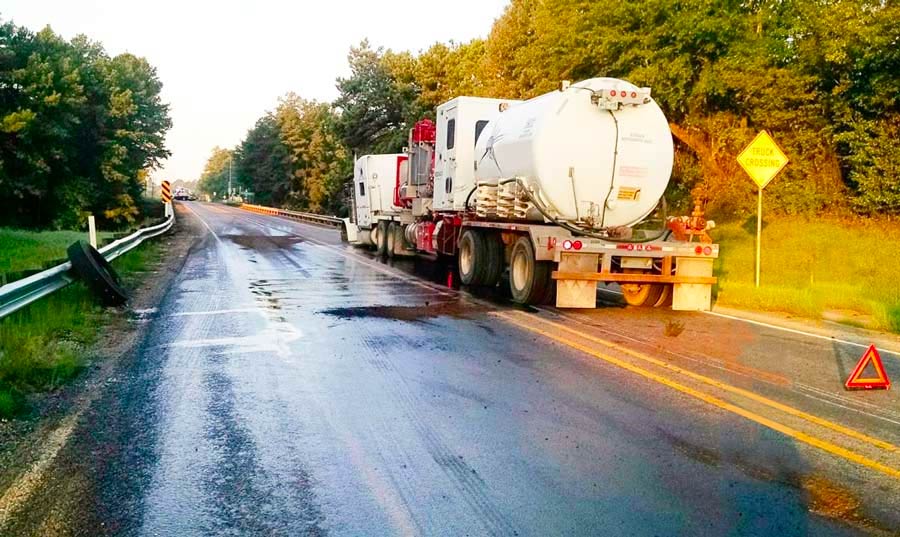
Tanker Rollover Recovery
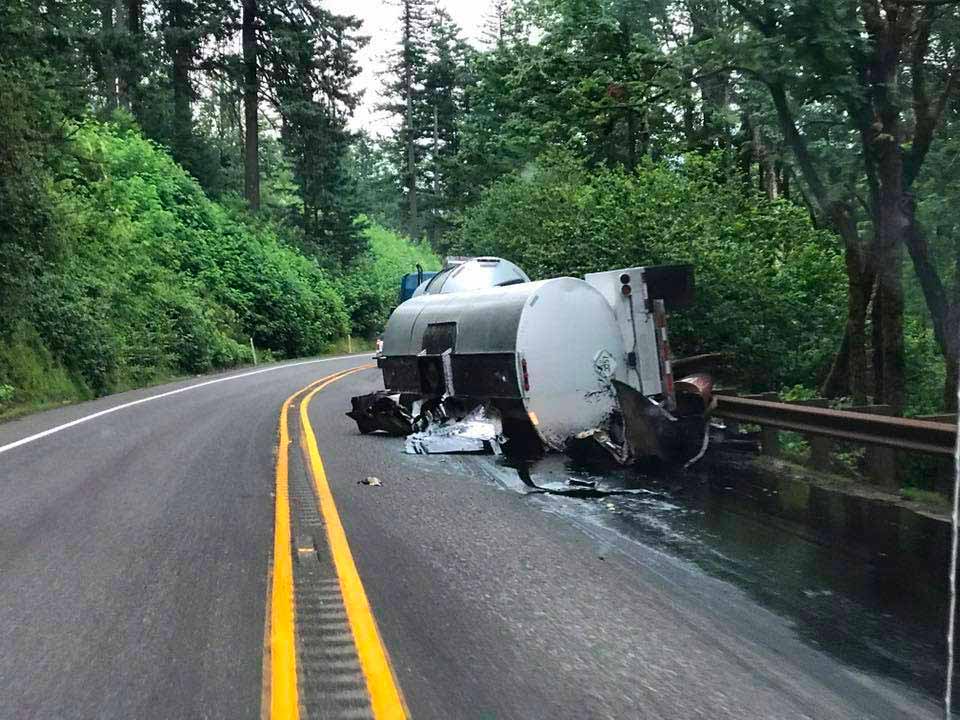
Our OSHA Certified Incident Commanders Hazmat Response Unit is dedicated to the highest level of professionalism and safety while providing exceptional hazardous material cleanup. Our emergency response team can be on scene to most locations in the Dallas Fort Worth area within 45 minutes. We have specialized training and state of the art equipment with the capabilities to perform all types of hazardous spill cleanup. Our HAZWOPER Certified Technicians can respond to roadside emergencies, gas stations, train derailments, and any other facilities where hazardous materials may need to be remediated. To learn more about our services, call the number below.
Hydrocarbon Cleanup
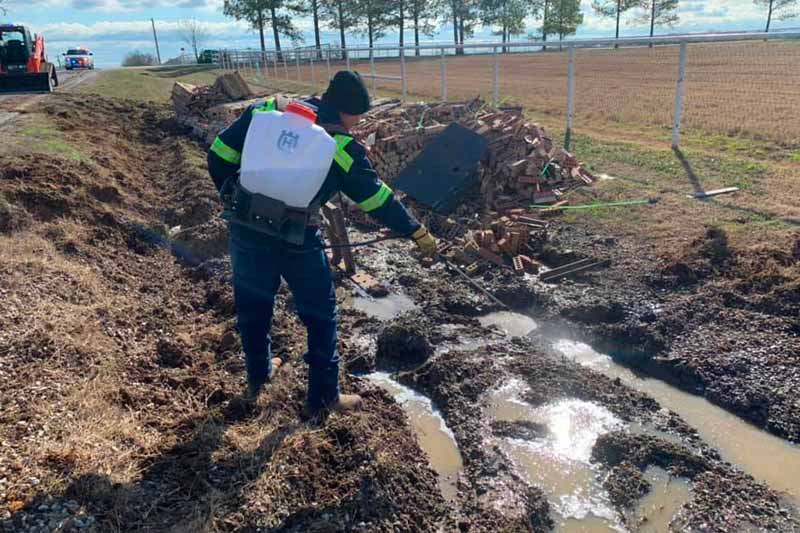
Hydrocarbon contamination happens as a result of fuel mixing with water. Since water cannot be used to clean up a fuel spill, we treat the fuel spill with a non-toxic substance that aggressively disperses the spill.
Fuel Spill Containment
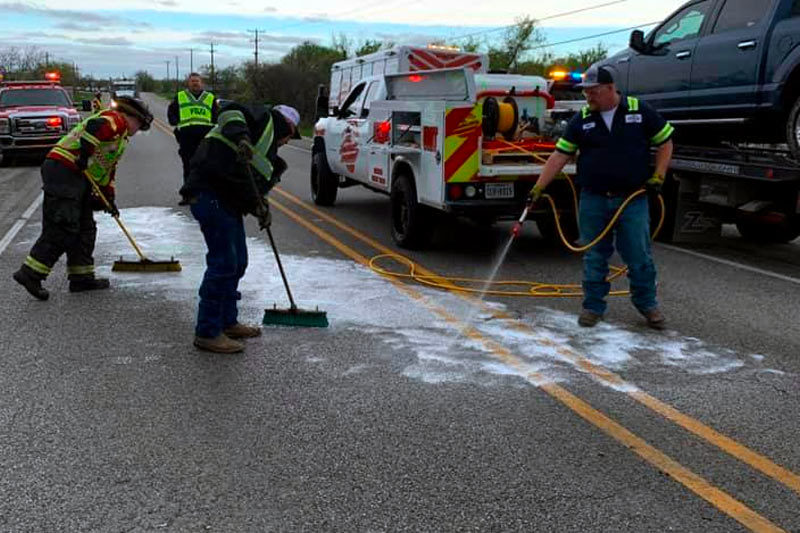
Many times, automobile accidents result in the loss of fuel on the roadways. Although spills may appear minimal, it’s important to quickly and contain and disperse all fuel spills to avoid groundwater contamination. Contact us for fuel spill cleanup.
Emergency Fuel Spill
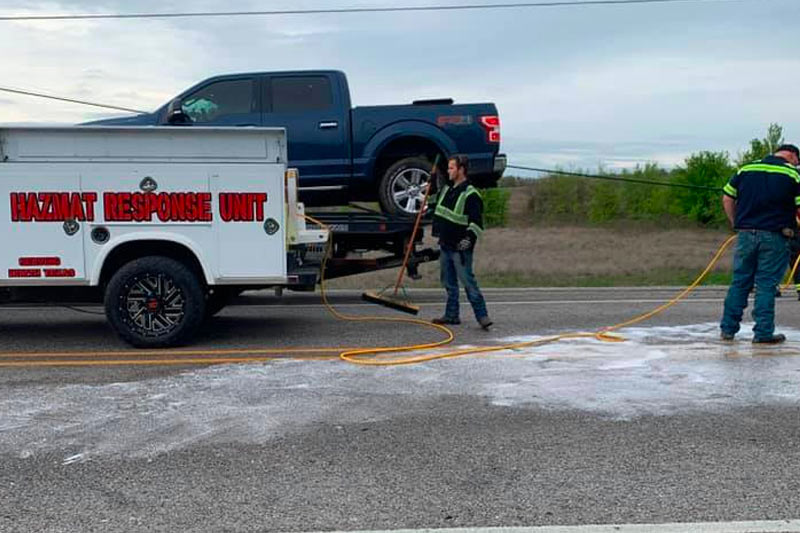
Fuel spills can happen anytime and anywhere. That’s why North Texas Spill Response is available 24 hours of every day to ensure any potentially dangerous fuel spill contamination is contained as quickly as possible.
Frequently Asked Questions
Every spill is different — the timeline depends on the type of material released, the volume, the surface it contacted, and whether it reached soil or drainage infrastructure. A contained spill on a sealed concrete floor may be resolved in a matter of hours, while a release that has penetrated a substrate or reached surrounding soil can require additional testing and remediation over a longer period. North Texas Spill Response works as efficiently as possible to get your facility back to safe, operational condition — and we won’t sign off on a job until on-site testing confirms the area is clean and compliant.
At a minimum, your facility should have spill containment supplies appropriate for the types and volumes of materials you store — including absorbent booms, pads, and compatible neutralizing agents. Beyond that, we strongly recommend having a written spill response plan, trained personnel who know their roles in the first few minutes of an incident, and a direct line to a professional hazmat cleanup company already saved and ready to call. North Texas Spill Response offers free on-site consultations to help facility managers assess their current preparedness and identify any gaps before an incident occurs. Being proactive is always far less costly than responding to an unplanned emergency.
Reporting requirements depend on the type and quantity of material released, whether it reached a floor drain, storm drain, or soil, and which regulatory agencies have jurisdiction over your facility and location. Many facilities are required to notify the EPA, TCEQ, or local authorities within a specific timeframe after a hazardous material release. North Texas Spill Response works closely with local, state, and federal regulatory agencies, and we can help you understand your reporting obligations and ensure that your cleanup is fully documented — protecting you from fines or enforcement action down the road.
Yes — and sooner rather than later. Many hazardous materials penetrate concrete, seep into floor drains, or migrate into surrounding soil in ways that aren’t visible to the naked eye. What looks like a clean surface may still harbor contamination that could trigger regulatory action or cause long-term environmental damage. North Texas Spill Response can conduct on-site soil and water testing to assess what was left behind, perform any necessary remediation, and help you document the incident properly in the event that a regulatory agency ever follows up.
The most important thing you can do in the first few minutes is keep people away from the release area, eliminate any nearby ignition sources if a flammable material is involved, and call us immediately at 940-208-5100. Do not attempt to clean up the material yourself unless your team is trained and properly equipped for hazardous material response. Our HAZWOPER-certified technicians are available 24/7 and will mobilize right away. The faster we can get on-site, the better the outcome — both for your facility and for your regulatory standing.
Delays increase spread (costly soil/water remediation), traffic impacts, regulatory exposure, and reputational harm (incidents can draw public attention). Prompt control/cleanup is the most cost-effective path to closure.
By operating under HAZWOPER programs (hazard assessment, PPE, air monitoring, decon, medical oversight) and coordinating with ICS for scene control. This reduces risk to responders, employees, and the public.
Location (with best access), material and estimated amount, whether it’s still releasing, immediate hazards (fire/traffic/confined space), exposures (drains/waterways/soil), and any actions already taken. This matches the “who/what/where” emphasis in Texas spill reporting.
Yes—North Texas Spill Response is woman-owned and serves the DFW/North Texas region. Local expertise means faster arrival and familiarity with area agencies and requirements.
Identify likely spill sources, RQs/contacts, immediate actions (stop/contain), site maps (drains/waterways), PPE, materials on hand (pads, booms, drain covers), vendors (response, transport, disposal), and training/drills. Align with SPCC principles if applicable.
Sometimes yes, sometimes no. It depends on substance, amount, location, and whether there’s a threat to water/air/land. TCEQ’s Reportable Quantities table governs Texas reporting; federal thresholds also apply. When in doubt, call us—we’ll help you interpret and act fast.
By deploying booms, absorbents, drain covers/berms, and vacuum recovery, following EPA discharge prevention/containment principles and state best practices to protect storm systems and surface waters.
Yes—proper response includes source control, media recovery, and, when needed, confirmatory sampling and regulated disposal (or treatment) to meet closure requirements. North Texas Spill Response’s scope includes cleanup and remediation for petroleum impacts.
Vehicle crashes with tank punctures, loading/unloading mishaps, overfills, line breaks, storage tank failures, and facility equipment leaks. Recent Texas events (e.g., highway diesel spills; refinery releases) show the value of rapid containment to minimize closures, impacts, and costs.
Spill response integrates via ICS under the Incident Commander. Responders operate within hot/warm/cold zones, coordinate traffic and scene safety, and support containment/cleanup while public safety agencies manage incident control and demobilization.
Look for teams trained to OSHA HAZWOPER (29 CFR 1910.120) and familiar with ICS (Incident Command System) used by first responders. HAZWOPER covers emergency response programs, PPE, decon, and medical surveillance for uncontrolled releases. At North Texas Spill Response, our technicians are HAZWOPER certified and experienced to handle your hazardous material release.
Generally, the owner/operator whose activities or equipment caused the release is the responsible party. They must report, contain, clean up, and handle waste properly; failure can bring enforcement actions. (Think: state RQ rules, federal discharge rules.)
A complete incident file typically includes substance ID, volumes, timelines, containment/cleanup steps, disposal manifests, and post-cleanup verification. North Texas Spill Response provides response actions plus guidance that aligns with TCEQ and EPA reporting/recordkeeping expectations, helping reduce liability.
We mobilize for immediate petroleum-based spill response, secure the area, stop the source, contain, recover/neutralize, remove impacted media (pads, soil), and coordinate site cleanup/remediation to return the area to safe conditions. North Texas Spill Response serves Dallas–Fort Worth and the areas surrounding North Texas.
Releases at or above a federal Reportable Quantity (RQ) listed under CERCLA require immediate reporting to the National Response Center (NRC), separate from oil rules; Texas state reporting may still apply.
If oil reaches navigable waters or adjoining shorelines, the discharge must be reported under 40 CFR Parts 110 and 112 (SPCC). That’s in addition to any state reporting.
If the amount meets a reportable quantity (RQ) or threatens water/air/land, the responsible party must report “as soon as possible but no later than 24 hours” to the Texas Spill Reporting Hotline (1-800-832-8224) or the appropriate TCEQ regional office. Federal reporting may also apply.
Prioritize life safety (keep people upwind and out), identify the substance if safe to do so, stop the source if it’s low-risk (e.g., close a valve), and call professional spill responders immediately. Early actions focus on control/containment to prevent spread into soil or storm drains.