Clean Up Gas Spill Services
When you experience a gas spill at your business or home, the cleanup process must take place as soon as possible as the results of the spill include dangerous fumes and the possibility of a fire. Couple these hazards with the negative impact on the environment and the liability that comes with it and you’ll quickly come to realize that it’s in your best interest to have a knowledgeable environmental services company at your beck and call. Well, look no further than your friends at North Texas Spill Replacement. We have been responding to emergencies for more than two decades now and have HAZWOPER-trained professionals standing by to assist with all of your gas and oil spill needs. When you call, our technicians will arrive within minutes to mitigate any further loss, clean up the gas spill and ensure that everyone remains out of harm’s way. We believe that it’s better to be safe than sorry. That’s why we suggest that you contact us before a problem arises by taking advantage of our free on-site environmental services consultation check-up. This way, whenever you need fast response hazmat cleanup Dallas you can rest assured you’ll have a competent environmental services company to respond.
Clean Up Gas Spill Emergency
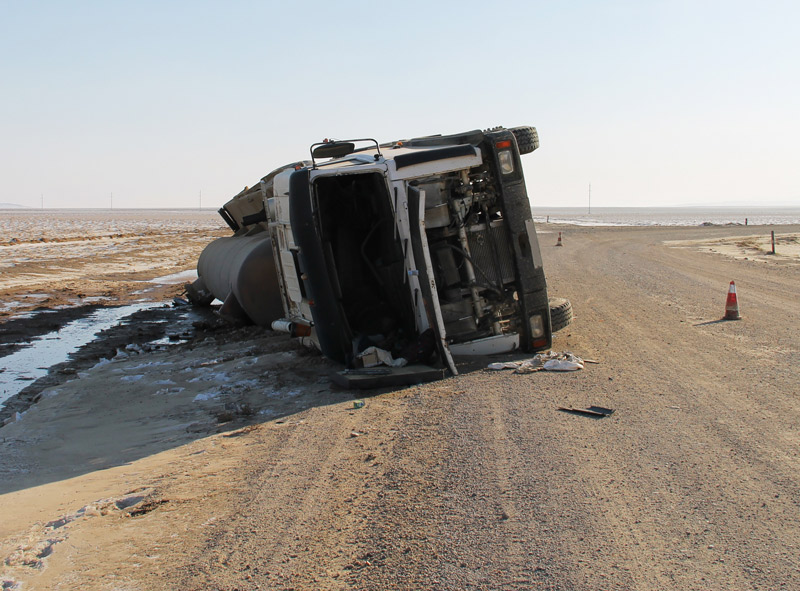
Not all hazardous spills occur at industrial facilities, some spills happen at gas stations, while others occur due to tanker truck rollovers, and still, other spills are the result of intentional releases by nefarious actors. Regardless of where or even how a spill occurs, when it’s a spill that you’re responsible for cleaning up or if it’s one that negatively impacts you and the people and things you love, it becomes an emergency spill that needs quick and professional attention. Gasoline is a hazardous material that is an important part of our everyday lives. However, when gas is not stored or handled correctly it can cause harm to the people, animals, and the environment. And, will require immediate attention from qualified professionals. When an incident occurs that results in a hydrocarbon release the immediate response should include the safety of workers, passersby, and the environment. Contact North Texas Spill Response for Denton hazmat cleanup services and all your hazardous material release clean up needs.
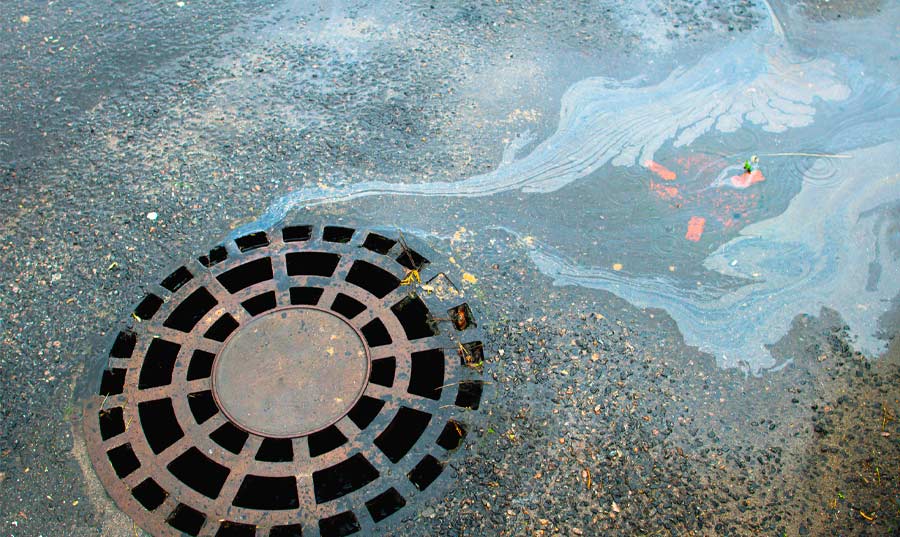
When your company experiences gasoline spills, you want an emergency response team that has the ability to respond quickly and provide spill cleanup services in a timely manner. That’s North Texas Spill Response. We are an environmental services company that provides consulting, hazardous waste clean up, and remediation services
Our Environmental Emergency Response Team Is Available 24/7
Is Your Site Properly Prepared For A Gas Spill?
Since you never know when an environmental emergency is going to occur, having an environmental response team that’s able to respond around the clock is invaluable. What’s more important is having a plan in place to respond when a spill occurs. If you’ve ever accidentally pulled away from a gas pump before replacing the gas nozzle, you may have been surprised to learn that gasoline spill cleanup wasn’t necessary because gas didn’t start spewing from the engaged gas pump. That’s because the gas station has complied with the EPA’s guidelines by installing a quick-release coupler on their gas pumps that stop the flow of gas in case someone accidentally pulls away without replacing the gas nozzle. Each gas station is required to have an SPCC, which is a Spill Prevention, Control, and Countermeasure plan in place that provides for the installation of fail-safes to prevent a hazardous material release. This plan also outlines the steps that should be taken in the instance that prevention measures fail and gasoline is released in the form of a spill. If you own a gas station or are a manager of a gas station that does not have an SPPC, please contact our office for assistance in preparing one. Our environmental emergency response team will help you prepare one and can be available for all of your spill response needs going forward.
What is the purpose of an SPCC?
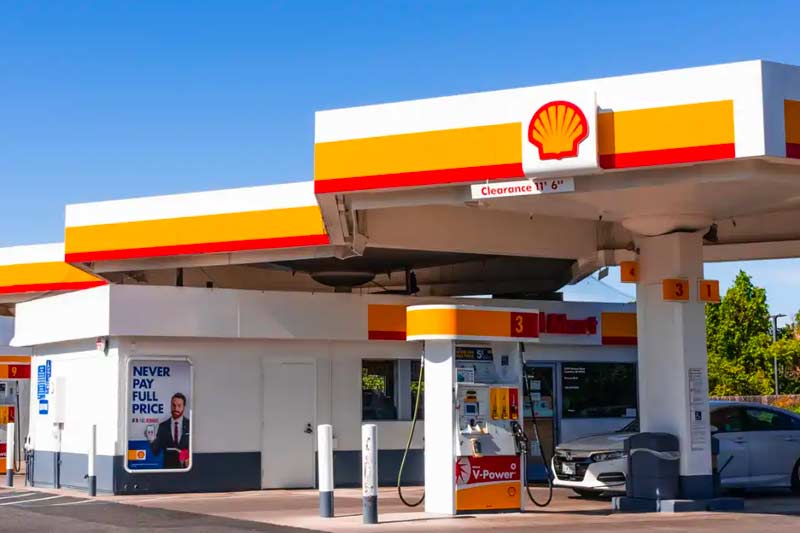
The purpose of the Spill Prevention, Control, and Countermeasure rule is to help facilities avoid discharging hazardous materials into the environment. Oil, gasoline, and other hydrocarbons can be dangerous to the environment, so every effort must be made to avoid their release, and to clean them up once they occur.
Does my facility need an SPCC?
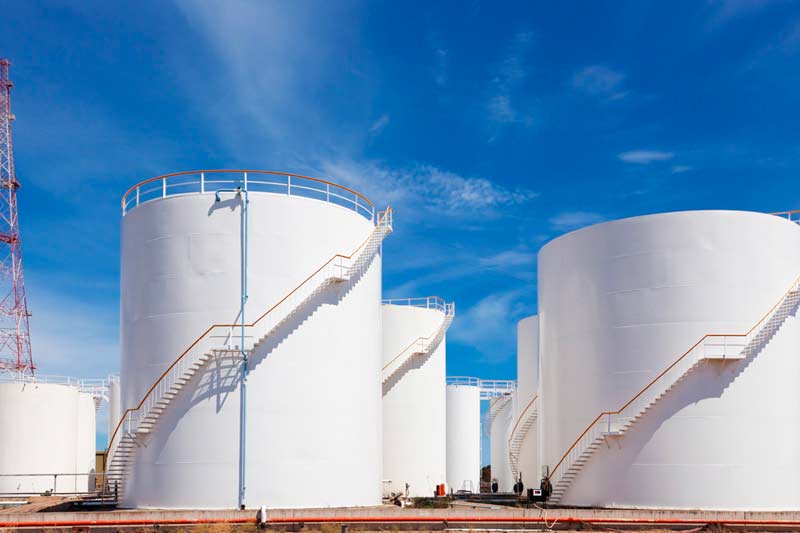
Facilities that store more than 1320 gallons of petroleum products above ground or more than 42,000 gallons in completely buried containers below ground that could reasonably be expected to discharge oil into navigable waters or adjoining shorelines, should a spill occur, need to abide by the SPCC rule.
Where should my SPCC be kept?

The Environmental Protection Agency requires the owner or operator of the facility to prepare and implement the SPCC Plan. We work with business owners to create these plans to ensure compliance with the EPA regulations. Once prepared, the plan must be maintained at the location of the facility that is attended at least 4 hours per day.
Cleaning up a gas spill after a tanker truck accident is a critical and potentially hazardous task that requires a careful and systematic approach to minimize environmental damage and ensure the safety of people near the scene. The process of cleaning up a gas spill involves several important steps:
- Secure the Perimeter: Immediately after the accident, we arrive and secure the spill site to prevent unauthorized access. Establishing a safe perimeter around the affected area is essential to protecting both the public and our Hazwoper-certified technicians.
- Assess the Spill: Conduct a thorough assessment of the spill to determine the extent of the damage and the type of gas involved. Gas spills can involve various types of fuel, such as gasoline, diesel, or hazardous materials, each with its unique risks.
- Notify Authorities: Report the accident to the appropriate authorities, such as local fire departments, environmental agencies, and emergency response teams. They can provide guidance and resources for a coordinated and effective response.
- Control the Source: Stop the flow of gas from the tanker to prevent further spillage. This might involve controlling valves or patching leaks in the damaged tanker.
- Implement Containment Measures: Deploy containment booms and barriers to prevent the spread of spilled gas to nearby water bodies, storm drains, and sensitive environmental areas. This will help confine the spill and reduce its impact on surrounding ecosystems.
- Evacuate if Necessary: If the spill poses a significant threat to public health and safety, consider evacuating nearby residents until the situation is under control.
- Use Personal Protective Equipment (PPE): Response personnel involved in the cleanup should wear appropriate PPE, such as gloves, masks, and protective clothing, to minimize exposure to harmful fumes and substances.
- Vapor Suppression: Specialized equipment, such as vapor-suppressing foam, may be used to reduce the risk of ignition and explosion.
- Absorb and Remove Spilled Gas: Absorbent materials, like clay, sand, or specially designed spill pads, can be used to soak up the spilled gas. These materials can then be carefully collected and properly disposed of.
- Decontaminate Affected Areas: After the spill has been contained and the gas removed, decontamination procedures should be implemented to clean up residual contamination.
- Monitor Air Quality and Environmental Impact: Continuously monitor air quality and the environmental impact throughout the cleanup process to ensure that it remains within safe levels.
- Proper Disposal: Dispose of contaminated materials according to local regulations and guidelines for hazardous waste disposal.
- Remediation and Restoration: After the immediate cleanup, conduct a comprehensive remediation and restoration process to return the affected area to its pre-spill condition.
It’s important to note that gas spills can have severe environmental and health consequences, so it’s crucial to the experienced and well-trained professionals of North Texas Spill Response. Of course, the best way to mitigate spills from occurring is by preventing accidents through stringent safety measures and effective driver training.
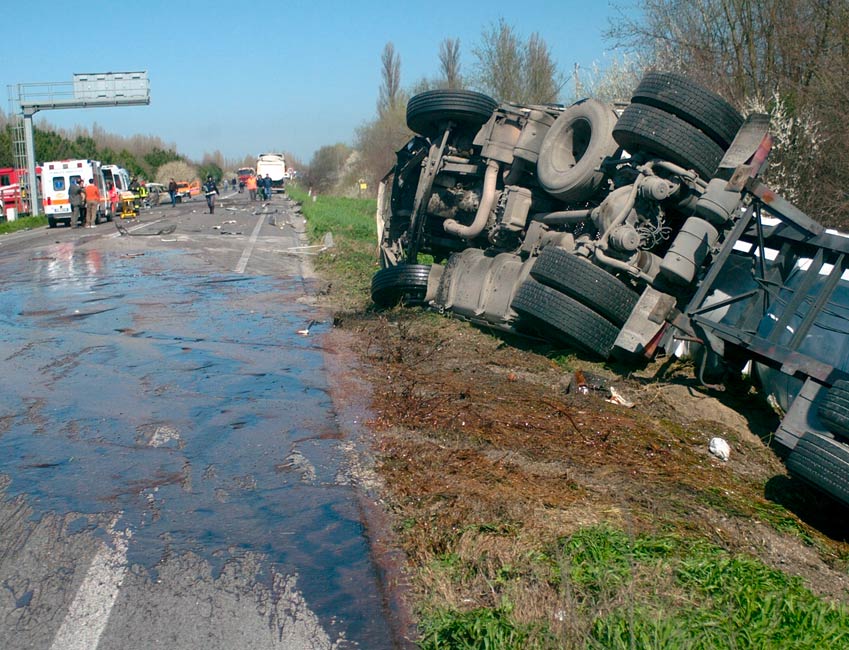
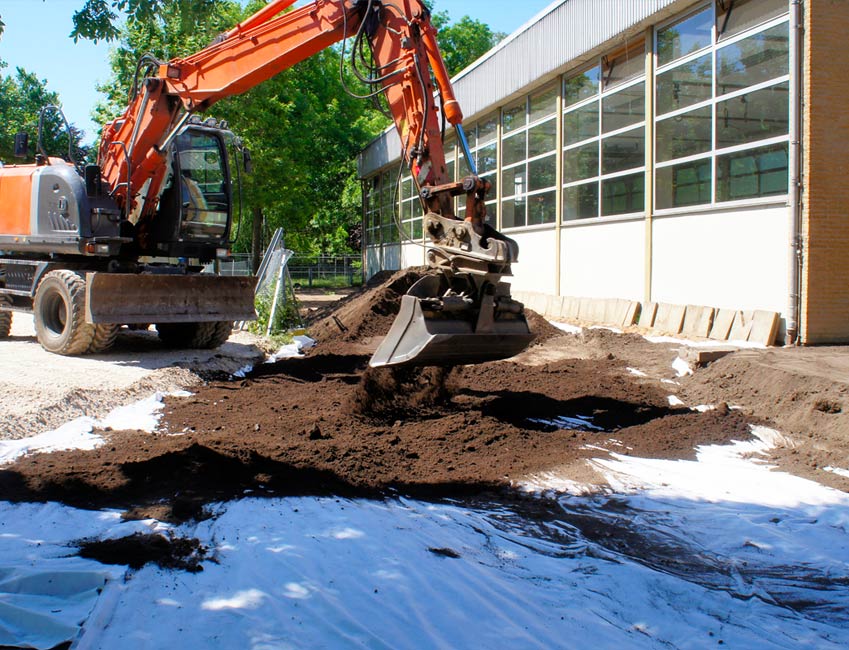
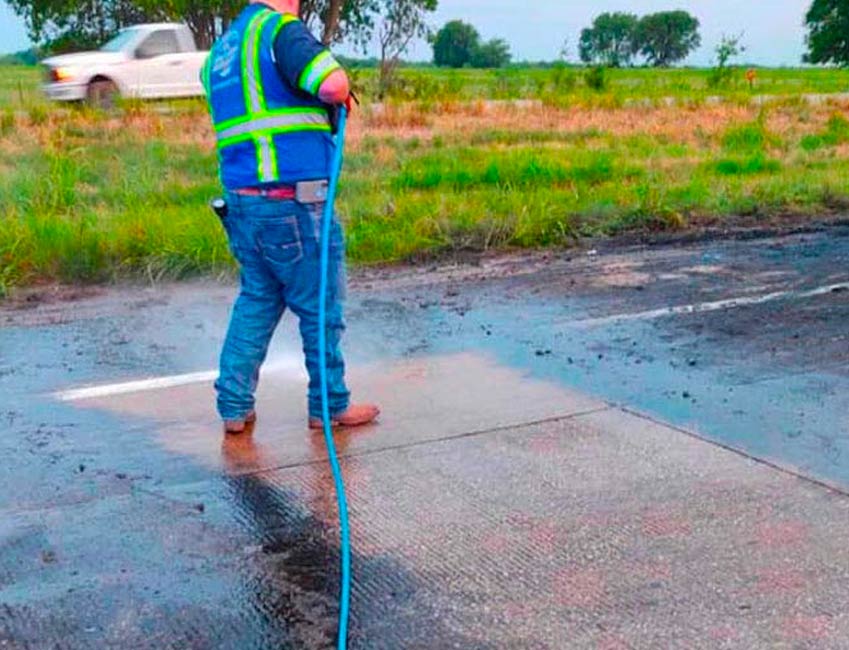
North Texas Spill Response, a dedicated and efficient environmental service company, specializes in handling and remediation of gas and oil spills across North Texas. With a rapid response team equipped for any scenario – from gas station fuel leaks to large-scale incidents involving tractor-trailer tankers – they expertly manage spills of all magnitudes. The company prides itself on its swift action to identify the source of a leak, halt its spread using the latest tools and techniques, and safely evacuate affected areas. Their comprehensive approach includes thorough spill remediation and restoration of the impacted environment, ensuring it returns to its original state. In every operation, North Texas Spill Response maintains strict adherence to environmental regulations, guaranteeing compliance with all relevant authorities. Their commitment to safety, environmental stewardship, and regulatory compliance makes them a trusted partner in spill response and environmental protection in the region.
Frequently Asked Questions
Delays increase spread (costly soil/water remediation), traffic impacts, regulatory exposure, and reputational harm (incidents can draw public attention). Prompt control/cleanup is the most cost-effective path to closure.
By operating under HAZWOPER programs (hazard assessment, PPE, air monitoring, decon, medical oversight) and coordinating with ICS for scene control. This reduces risk to responders, employees, and the public.
Location (with best access), material and estimated amount, whether it’s still releasing, immediate hazards (fire/traffic/confined space), exposures (drains/waterways/soil), and any actions already taken. This matches the “who/what/where” emphasis in Texas spill reporting.
Yes—North Texas Spill Response is woman-owned and serves the DFW/North Texas region. Local expertise means faster arrival and familiarity with area agencies and requirements.
Identify likely spill sources, RQs/contacts, immediate actions (stop/contain), site maps (drains/waterways), PPE, materials on hand (pads, booms, drain covers), vendors (response, transport, disposal), and training/drills. Align with SPCC principles if applicable.
Sometimes yes, sometimes no. It depends on substance, amount, location, and whether there’s a threat to water/air/land. TCEQ’s Reportable Quantities table governs Texas reporting; federal thresholds also apply. When in doubt, call us—we’ll help you interpret and act fast.
By deploying booms, absorbents, drain covers/berms, and vacuum recovery, following EPA discharge prevention/containment principles and state best practices to protect storm systems and surface waters.
Yes—proper response includes source control, media recovery, and, when needed, confirmatory sampling and regulated disposal (or treatment) to meet closure requirements. North Texas Spill Response’s scope includes cleanup and remediation for petroleum impacts.
Vehicle crashes with tank punctures, loading/unloading mishaps, overfills, line breaks, storage tank failures, and facility equipment leaks. Recent Texas events (e.g., highway diesel spills; refinery releases) show the value of rapid containment to minimize closures, impacts, and costs.
Spill response integrates via ICS under the Incident Commander. Responders operate within hot/warm/cold zones, coordinate traffic and scene safety, and support containment/cleanup while public safety agencies manage incident control and demobilization.
Look for teams trained to OSHA HAZWOPER (29 CFR 1910.120) and familiar with ICS (Incident Command System) used by first responders. HAZWOPER covers emergency response programs, PPE, decon, and medical surveillance for uncontrolled releases. At North Texas Spill Response, our technicians are HAZWOPER certified and experienced to handle your hazardous material release.
Generally, the owner/operator whose activities or equipment caused the release is the responsible party. They must report, contain, clean up, and handle waste properly; failure can bring enforcement actions. (Think: state RQ rules, federal discharge rules.)
A complete incident file typically includes substance ID, volumes, timelines, containment/cleanup steps, disposal manifests, and post-cleanup verification. North Texas Spill Response provides response actions plus guidance that aligns with TCEQ and EPA reporting/recordkeeping expectations, helping reduce liability.
We mobilize for immediate petroleum-based spill response, secure the area, stop the source, contain, recover/neutralize, remove impacted media (pads, soil), and coordinate site cleanup/remediation to return the area to safe conditions. North Texas Spill Response serves Dallas–Fort Worth and the areas surrounding North Texas.
Releases at or above a federal Reportable Quantity (RQ) listed under CERCLA require immediate reporting to the National Response Center (NRC), separate from oil rules; Texas state reporting may still apply.
If oil reaches navigable waters or adjoining shorelines, the discharge must be reported under 40 CFR Parts 110 and 112 (SPCC). That’s in addition to any state reporting.
If the amount meets a reportable quantity (RQ) or threatens water/air/land, the responsible party must report “as soon as possible but no later than 24 hours” to the Texas Spill Reporting Hotline (1-800-832-8224) or the appropriate TCEQ regional office. Federal reporting may also apply.
Prioritize life safety (keep people upwind and out), identify the substance if safe to do so, stop the source if it’s low-risk (e.g., close a valve), and call professional spill responders immediately. Early actions focus on control/containment to prevent spread into soil or storm drains.